Decorative Floral Element Clipart SVG Review
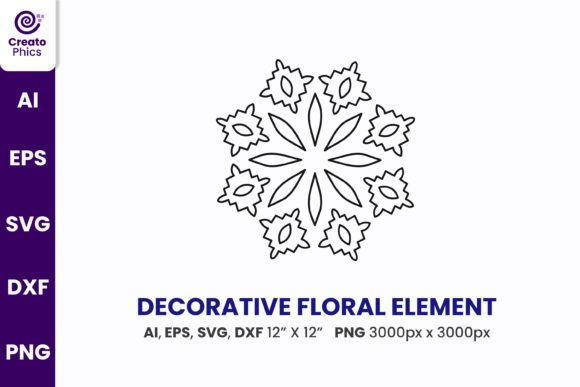
As a designer who has spent years translating digital vectors into tangible stitched goods, I approach every new asset with a mix of excitement and skepticism. The gap between a crisp vector on a screen and the reality of thread tension, fabric grain, and stitch density is where many projects fail. Recently, I pulled up the Decorative Floral Element Clipart SVG to see if it could survive the transition from a Scene Generators catalog entry to a real-world embroidery file. This piece is marketed as a symmetrical, geometric mandala design, which immediately signals both high potential and significant risk for machine embroidery.
First Impressions: Geometry Meets Organic Flow
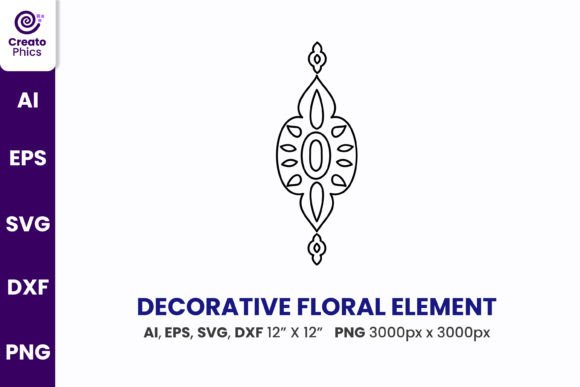
The initial visual impact of the Decorative Floral Element Clipart SVG is undeniably striking. It balances the rigid precision of geometry with the softness of floral motifs, creating a mood that feels both modern and timeless. For a craft business looking to elevate its brand, this kind of intricate detail suggests quality. However, when I zoom in to analyze the line weights and junction points, my mind shifts to how these lines will behave under a needle. The symmetry is perfect, which is excellent for centering on a tote bag or a pillow cover, but the intricacy demands careful digitizing. A design this complex relies heavily on the balance between fill stitch and satin stitch. If the conversion isn't handled correctly, those delicate inner petals can turn into a muddy blob of thread rather than a crisp, defined element.
Real-World Application: From Screen to Sweatshirt
To test the viability of this design, I imagined a specific scenario: preparing a custom embroidered sweatshirt for a boutique client who wants a "boho-chic" aesthetic. The Decorative Floral Element Clipart SVG fits this brief perfectly on paper. Placed on the left chest of a heavy cotton fleece, the geometric mandala would provide a focal point that draws the eye without overwhelming the garment. In this context, the design acts as a premium badge of craftsmanship. Customers browsing an Etsy shop often look for unique details that separate handmade items from mass-produced goods. This intricate pattern offers exactly that level of distinction.
I also considered using it for an embroidered patch intended for denim jackets. The bold outlines of the floral elements would hold up well against the rugged texture of denim, provided the stabilizer is robust enough to support the density. For a baby item, such as a personalized blanket or a nursery wall hanging, the symmetrical nature of the design creates a soothing, balanced look. However, the sheer volume of detail means the stitch count will be high, increasing production time. For a small shop owner, calculating the cost per hour of stitching is crucial; a beautiful design that takes twenty minutes to stitch might eat into profit margins unless priced accordingly.
Navigating the Challenges of Intricate Detail
While the Decorative Floral Element Clipart SVG is visually stunning, it requires caution in certain applications. I strongly advise against using this design on thin or highly stretchy fabrics like jersey knit t-shirts without extensive stabilization. The dense areas of the mandala create significant pull, which can warp lightweight material. Similarly, curved surfaces like caps present a challenge. The tight corners and fine lines of the geometric elements may not lay flat on a rounded brim, leading to puckering or skipped stitches.
Fabric texture is another critical factor. On a smooth linen tea towel, the design would pop beautifully, allowing the viewer to appreciate the fine lines. But on a nubby wool blend or a textured canvas, those same fine details might get lost in the weave. Additionally, dark fabrics require careful consideration of thread colors. Without a solid backing or a specialized underlay, light-colored threads used in the intricate parts of the design might appear dull or translucent. Always test your color palette on a scrap piece of the actual fabric you intend to use before committing to a finished product.
Strategic Placement and Hoop Size Considerations
When working with such a detailed Graphics asset, hoop size becomes a limiting factor. This design likely requires a medium-to-large hoop to maintain clarity. Attempting to shrink it down to fit a 4x4 inch hoop would force the digitizing software to condense the stitches, potentially ruining the definition of the floral elements. As a professional, I always recommend checking the minimum recommended size for any complex vector before purchasing. If you are selling digital products, ensure your customers understand that scaling this design too small will compromise the final result. For commercial embroidery, consistency is key; if you plan to produce a run of fifty tote bags, every single one must look identical, which means strict adherence to the correct hoop settings and stabilizer usage.
Maximizing Value for Your Craft Business
For the savvy Etsy seller or creative entrepreneur, the Decorative Floral Element Clipart SVG represents more than just a pretty picture; it is a tool for building brand identity. When used correctly, it elevates the perceived value of a handmade product. A customer is willing to pay a premium for a tote bag that features a meticulously stitched, original-looking mandala over one with a generic print. The tactile quality of the embroidery adds a layer of luxury that printing cannot replicate.
However, to truly leverage this asset, you must treat it as part of a larger design strategy. Pair it with simple typography or other minimal elements to let the complexity of the floral mandala shine. Avoid overcrowding the design space. In terms of marketing, high-quality photos of the finished product are essential. Show the texture of the thread and the depth of the stitching. Use printable mockups to showcase how the design looks on various backgrounds, but always include a photo of the physical item to build trust with buyers.
Essential Designer Notes Before You Stitch
Before integrating the Decorative Floral Element Clipart SVG into your workflow, follow these practical steps to ensure success:
- Test on Scrap Fabric: Never skip the test run. Stitch the design on a scrap piece of your intended fabric to check for puckering, thread breaks, or density issues.
- Verify Licensing: Confirm whether the license allows for commercial use of the finished handmade product. Some Scene Generators assets have restrictions on the number of items you can sell.
- Check Stabilizer Needs: Given the intricate nature of the design, you will likely need a tear-away or cut-away stabilizer that provides strong support without adding bulk.
- Review Thread Colors: Plan your color changes carefully. Too many stops and starts can lead to thread nests or uneven tension in the delicate areas.
- Inspect Small Details: After digitizing, zoom in on the file to ensure no two stitch paths are crossing unnecessarily, which can cause jamming.
- Mockup in Black and White: Sometimes contrast is better judged without color. Ensure the design remains readable even in grayscale.
In conclusion, the Decorative Floral Element Clipart SVG is a powerful asset for designers who understand the nuances of machine embroidery. It offers a sophisticated look that can transform a simple garment into a statement piece. Yet, its beauty comes with responsibility. By respecting the limitations of fabric, stabilizer, and stitch density, you can turn this digital vector into a high-quality, market-ready product that delights customers and strengthens your reputation as a skilled maker. Whether you are creating a holiday gift, a personalized wedding favor, or inventory for your online shop, this design has the potential to be a standout feature—if you take the time to prepare it properly.