Decorative Flourish Emblem Border. Metal Review
As a designer who has spent years translating digital graphics into tangible stitched textures, I approach every new asset with a mix of excitement and skepticism. When I first opened the files for Decorative Flourish Emblem Border. Metal, I was immediately struck by its ornate presence. This is not a subtle background element; it is a statement piece designed to frame and elevate whatever sits within its boundaries. The description promises a metal-style aesthetic isolated on a white background, available in EPS, JPG, SVG, and transparent PNG formats. While these are standard Graphics file types, my job is to determine if this visual weight translates effectively into a physical machine embroidery design.
The First Impression: Visual Weight and Mood
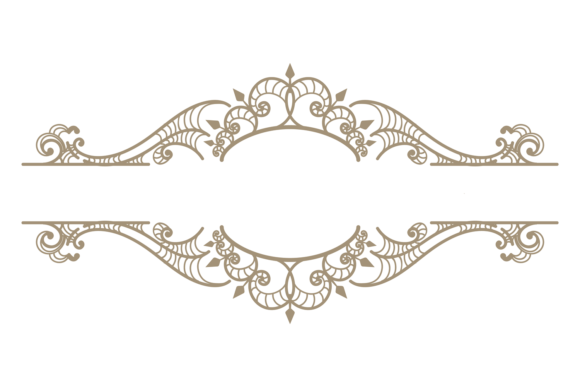
The initial view of the Decorative Flourish Emblem Border. Metal suggests a mood of luxury and tradition. The intricate curves and sharp points mimic the look of wrought iron or polished brass, creating a sense of permanence and quality. In the world of Crafts, where handmade items often lean towards the rustic or whimsical, this design offers a sophisticated counterpoint. It feels like something you would find framing a crest on a high-end uniform or bordering a monogram on a bespoke pillow cover.
However, the "metal" effect in a 2D graphic relies heavily on shading and contrast. When converting this to an embroidery file, the challenge lies in replicating that metallic sheen without resorting to excessive thread density. A flat satin stitch might lose the depth, while a heavy fill stitch could obscure the delicate flourishes. My immediate thought is that this design demands careful color selection. To achieve that metallic look, I would likely need to use variegated threads or specific metallic yarns, rather than standard cotton or polyester.
A Real-World Scenario: The Boutique Tote Bag Project
Let's put this design through a practical test. Imagine I am preparing a line of custom tote bags for a local boutique client. They want something that feels premium but durable. I envision using the Decorative Flourish Emblem Border. Metal to frame a central logo or a personalized name on a sturdy canvas bag. The goal is to create a tote bag design that stands out at a craft fair or on an Etsy listing.
In this scenario, the border acts as the anchor. If the center of the bag features a simple script font, the ornate border provides the necessary complexity to make the product feel expensive. However, I must consider the placement. On a tote bag, which is often handled roughly, the stitching needs to be secure. If the stitch density is too high in the corners of the flourish, the fabric might pucker, especially if the canvas is thick. Conversely, if the density is too low, the "metal" illusion will fail, looking more like a thin wire than a solid emblem.
I also picture this on a sweatshirt embroidery project. A crewneck sweatshirt in a deep charcoal grey would provide excellent contrast for a silver or gold thread interpretation of this border. The soft texture of the fleece against the structured, rigid lines of the Decorative Flourish Emblem Border. Metal creates a pleasing tactile contrast. Customers buying such an item expect durability. They want to know that after multiple washes, the emblem will still look crisp and defined, not frayed or distorted.
Navigating Fabric and Hoop Constraints
While the design is visually stunning, it is not a universal solution. There are specific situations where the Decorative Flourish Emblem Border. Metal requires caution. For instance, attempting to stitch this on stretchy fabrics like jersey knit can be disastrous. The tension required to hold the intricate details of the border can cause the fabric to warp, leading to a wavy, unprofessional finish. Similarly, on very thin fabrics like chiffon or lightweight linen, the sheer weight of the thread needed to define the metal look could overwhelm the material.
Hoop size is another critical factor. The ornate nature of this border means it likely requires a larger hoop to accommodate the full sweep of the flourishes without cutting off the ends. If you try to force this design into a small 4x4 inch hoop, you risk losing the integrity of the shape. The detailed corners and sweeping curves need room to breathe. Furthermore, on curved surfaces like caps or hats, the distortion can be significant. The straight lines of the metal frame may bow unnaturally unless the digitizer has specifically adjusted the design for curvature.
For those considering this for baby embroidery or nursery decor, safety and comfort are paramount. The raised texture of a dense metal-style border might irritate sensitive skin if placed on a onesie or blanket. In these cases, it is better suited for wall hangings or pillow covers where direct skin contact is minimal. Always remember to check whether the design works for both personal and commercial projects before committing to a large batch.
Practical Designer Notes for Success
If you decide to move forward with the Decorative Flourish Emblem Border. Metal, here are my essential recommendations for ensuring a successful finished product:
- Test on Scrap Fabric: Never skip this step. Stitch the design on a scrap piece of the actual fabric you intend to use. Check how the thread interacts with the weave and if the metallic effect reads clearly.
- Check Thread Color Contrast: The "metal" look depends entirely on contrast. Test different shades of silver, gold, and bronze against your background fabric. Sometimes a dark grey thread looks more like oxidized metal than a shiny gold one.
- Review Stitch Density: Inspect the small details closely. Are the inner corners of the flourishes filling up too much? You may need to adjust the density settings in your software to prevent thread bunching.
- Confirm Hoop Size: Ensure your machine and hoop can handle the dimensions of the full border. If the file is too large, you may need to resize it, but be aware that scaling down can blur fine details.
- Use Proper Stabilizer: Because this design mimics a heavy metal frame, it will have significant pull on the fabric. Use a tear-away or cut-away stabilizer appropriate for the weight of your fabric to prevent puckering.
- Test in Black and White Mockups: Before finalizing, visualize the design in grayscale. This helps you see if the value contrast is sufficient to define the shape without relying solely on color.
- Verify Licensing: As a small shop product seller or Etsy seller, always confirm the licensing terms. Can you sell items made with this digital embroidery file? Can you resell the file itself? Clarity here protects your business.
Final Thoughts on Commercial Viability
The Decorative Flourish Emblem Border. Metal is a powerful tool in the arsenal of any creative entrepreneur. It elevates a simple personalized gift into a collectible item. Whether used for holiday embroidery on stockings, wedding favors, or branding for a craft business, its ability to convey quality is undeniable. However, its success hinges on execution. It is not a "set it and forget it" design. It demands attention to detail regarding fabric choice, thread type, and stabilization.
For the experienced designer, this asset offers a chance to showcase technical skill. For the hobbyist, it presents a learning curve that, once mastered, opens doors to higher-value products. By treating the Decorative Flourish Emblem Border. Metal with the respect it deserves—testing thoroughly and choosing the right applications—you can create custom apparel and home goods that customers will cherish. In a market saturated with generic designs, a well-executed, high-quality border like this can truly set your brand apart, building trust and recognition with every stitch.