Decorative Swirl Line Elements: A Designer Review
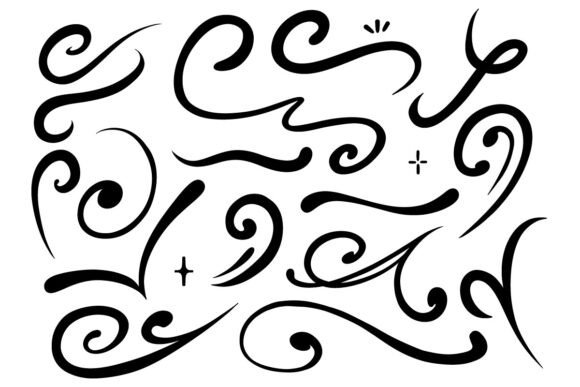
As a designer who has spent years navigating the gap between digital mockups and physical stitched reality, I approach every new machine embroidery design with a mix of excitement and skepticism. The market is flooded with generic assets, so finding a collection that offers genuine utility for a craft business is rare. Recently, I evaluated the Decorative Swirl Line Elements, an enchanting compilation of 18 swirl line artistry pieces. Before adding these to my library or recommending them to fellow Etsy sellers, I needed to understand how these artful spirals and elaborate flourishes translate from screen to fabric.
First Impressions: Mood and Visual Personality
When you first open the folder containing these Graphics, the immediate impression is one of fluid elegance. This is not a heavy, dense collection meant for large-scale coverage. Instead, it leans into the aesthetic of fine line work and delicate accents. The mood created by these elements is sophisticated yet accessible, making them perfect for elevating simple handmade products without overwhelming the base material. For a small shop owner looking to add a touch of boutique branding to their inventory, these swirls offer a subtle way to signal quality.
The visual personality here is defined by movement. Unlike static geometric shapes, these fluid accents suggest motion, which can make a finished product feel more dynamic. Whether you are designing a personalized gift or a custom apparel piece, the layout of these 18 designs allows for versatile placement. They function well as standalone Icons or as supporting elements that frame text or larger motifs. However, the true test lies in how they perform when the needle hits the fabric.
Real-World Application: From Tote Bags to Baby Items
To truly gauge the value of Decorative Swirl Line Elements, I imagined a specific project: a high-end embroidered tote bag for a local boutique client. The goal was to create a clean, modern look that wouldn't fray or distort after washing. In this scenario, these swirls shine. Placing a single, large flourish near the handle attachment point adds structural interest without requiring a massive hoop size. The line work translates beautifully into a satin stitch or a very fine running stitch, depending on the thread weight used.
I also considered how these would work for baby embroidery. Parents often seek soft, non-bulky designs for onesies and blankets. Because these elements are primarily line-based, they avoid the heavy puckering that can occur with dense fill stitches on stretchy fabrics like cotton jersey. A small swirl on the corner of a bib or a tiny flourish near the neckline of a sweatshirt creates a professional, polished look that feels expensive but remains comfortable against sensitive skin.
For holiday gifts or wedding favors, such as embroidered tea towels or napkins, these designs offer a classic aesthetic. A silver or gold thread color paired with a white linen towel, using one of the elaborate flourishes from the set, instantly transforms a basic kitchen item into a luxury keepsake. The key here is restraint; using just one or two elements prevents the design from looking cluttered.
Navigating Technical Challenges and Fabric Limitations
While the potential is high, there are specific situations where caution is required. If you are working with textured fabrics like denim or thick canvas, the fine lines of these swirls might get lost if the stitch density is too low. Conversely, on thin, sheer fabrics, the tension required to pull off crisp lines can cause distortion if the wrong stabilizer is used. Always test the design on scrap fabric first to ensure the line integrity holds up.
Curved surfaces present another challenge. While a swirl naturally follows a curve, placing it on a structured cap or a rounded patch requires careful digitizing adjustments. If the design relies heavily on long, unbroken lines, the tension changes on a curved surface could lead to birdnesting or thread breaks. It is crucial to review the stitch density and confirm the hoop size matches your machine's capabilities before committing to a commercial run.
Dark fabrics also demand attention. These line elements rely on contrast. If you use a light-colored thread on a dark sweatshirt, the definition of the swirl may blur unless you apply a backing layer or use a top-stitch technique. Comparing light and dark fabric backgrounds during your planning phase is essential to maintain the visual appeal and stitching clarity of the final product.
Strategic Use for Craft Businesses and Digital Sellers
For the creative entrepreneur selling digital products or offering custom services, Decorative Swirl Line Elements serves as a powerful asset for brand consistency. When creating printable mockups or digital previews, these graphics help visualize how a customer's order will look. They add a layer of professionalism to your Etsy listings, showing that you pay attention to detail.
However, remember that the success of any embroidery project depends on execution. Check whether the design works for both personal and commercial projects by reviewing the licensing terms provided with the download. If you plan to sell finished items, ensure you have the right permissions. Additionally, always inspect small details in the digital file before sending it to the machine. Sometimes, what looks perfect on a monitor reveals minor gaps or overlaps once stitched.
Practical Notes for the Professional Designer
To get the most out of this collection, follow these practical steps:
- Test First: Never skip the test stitch on a scrap of the actual fabric you intend to use.
- Stabilizer Selection: Use a tear-away or cut-away stabilizer appropriate for the fabric texture to prevent shifting.
- Color Contrast: Choose thread colors that pop against the background to highlight the intricate line work.
- Hoop Size Verification: Ensure your hoop can accommodate the largest swirl without distorting the shape.
- Licensing Check: Confirm you can use these assets for commercial embroidery and digital sales.
In conclusion, Decorative Swirl Line Elements is a versatile addition to any designer's toolkit. It bridges the gap between simple decoration and artistic expression, suitable for everything from a quick personalized gift to a full line of boutique merchandise. By understanding its strengths and limitations, you can leverage these artful spirals to create finished products that customers will love and trust.