Ethnic Decorative Elements: Graphics & Patterns
A Real-World Review for Professional Branding Projects
When a client approaches me with a vision for a new handmade soap line or a boutique yoga studio, the visual direction needs to strike a delicate balance. They want something that feels authentic and earthy, yet polished enough for commercial success. Recently, I was tasked with creating a brand identity package for a small business owner launching a collection of organic wellness products. The brief called for a vibe that was spiritual but modern, intricate but not overwhelming. This is where I turned my attention to Ethnic Decorative Elements. As an experienced graphic designer, I do not simply download assets; I stress-test them against real-world scenarios to ensure they hold up under the scrutiny of professional print and digital production.
First Impressions: Mood and Visual Language
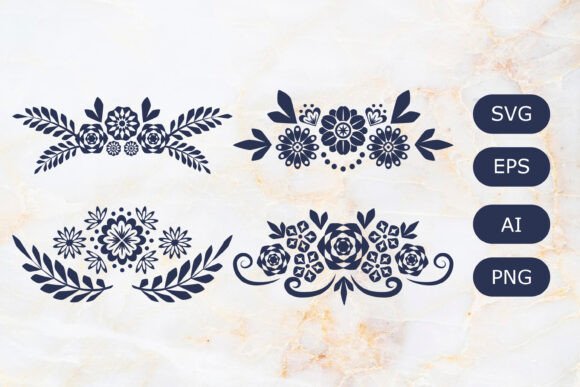
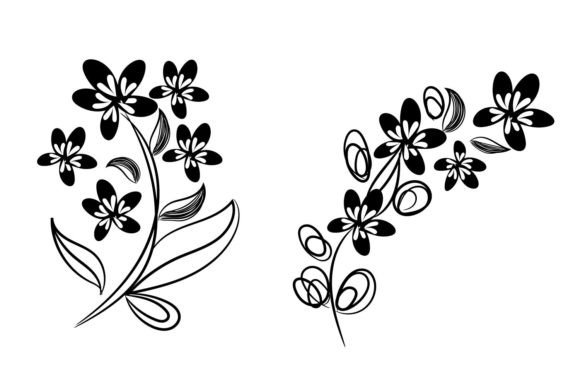
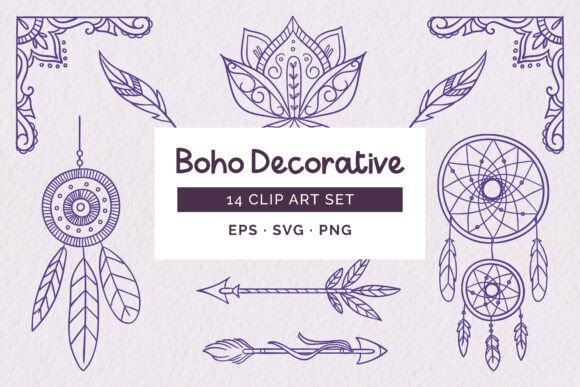
The first time I opened the file containing these cute hand-drawn ethnic decorative elements, the mood was immediately established. The collection features small mandalas, dream catchers, and floral designs rendered in a loose doodle style. Unlike rigid, geometric vector art that can feel sterile, these graphics possess a human touch. The lines vary slightly in weight, mimicking the imperfection of a pen on paper. For a project requiring warmth and approachability, this aesthetic is invaluable. It suggests craftsmanship and care, which are essential traits for brands selling handmade goods or wellness services. The isolated nature of the illustrations means they function as flexible building blocks rather than static backgrounds, allowing for dynamic composition in any layout.
Performance in Commercial Design Scenarios
To determine if Ethnic Decorative Elements were suitable for my client's launch, I began integrating them into various mockups. In packaging design, these assets shone brightly. I used a large mandala as a central focal point on a product label, surrounded by smaller floral accents. The result was a sophisticated look that elevated the perceived value of the product. Because the items are provided as a single vector EPS file, I could scale the dream catcher motif from a tiny corner accent on a sticker design to a massive hero graphic on a tote bag without losing a single pixel of quality.
I also tested these graphics for social media content. In the world of Instagram posts and Pinterest pins, visual hierarchy is everything. These doodles worked exceptionally well as framing elements around typography. When paired with a clean sans-serif font for headlines and a handwritten font for quotes, the ethnic patterns added texture without competing for attention. For digital sellers and Etsy shop owners, this versatility is a game-changer. Whether creating a Canva template for a blog header or designing a sublimation pattern for mugs, the assets adapt seamlessly to different mediums.
Where the Assets Excel in Layouts
Ethnic Decorative Elements perform best when used to create atmosphere. They are ideal for large layout areas where you need to fill negative space with character. In editorial design, such as magazine spreads or blog visuals, these graphics serve as perfect chapter dividers or sidebar ornaments. For marketing visuals like flyers and invitations, they add a layer of thematic depth that solid color blocks cannot achieve. If you are working on a seasonal campaign for a local event or a product line launch, these patterns provide an instant cohesive theme. They are particularly effective in branding projects for yoga studios, herbal tea companies, and craft markets, where the "boho" or "ethnic" aesthetic is highly desired.
Cautions: Where to Use Carefully
Despite their charm, there are scenarios where these graphics require careful handling. The doodle style, while charming, can introduce visual noise if overused. In minimalist branding or corporate environments that demand strict adherence to clean lines, these elements might feel too busy. They should be avoided in crowded layouts where information density is already high. Furthermore, when using these assets on complex backgrounds, contrast becomes a major concern. A light gray doodle on a white background will vanish, breaking the visual hierarchy. Similarly, for very small applications, such as a favicon or a micro-icon, the intricate details of the mandalas may blur together, reducing readability. Always preview your design at actual size before finalizing.
Impact on Readability and Brand Trust
Using the right graphic design asset directly influences how an audience perceives a brand. Ethnic Decorative Elements enhance emotional appeal by evoking feelings of tradition and mindfulness. However, they must support, not hinder, readability. When I placed text inside one of the dream catcher circles, I found that the open structure allowed the words to remain legible, whereas filling the center of a dense mandala with text would have been a mistake. By maintaining a clear visual hierarchy, these graphics help build brand consistency across all touchpoints, from the website to the physical packaging. This consistency fosters trust, making the brand appear more professional and established.
Practical Designer Notes for Implementation
Before committing to any commercial license, I always run a rigorous check. First, I convert the vector EPS file to black and white to ensure the line weights hold up in monochrome printing, which is common for receipts or simple stationery. Next, I test the contrast on both light and dark backgrounds to verify visibility. Since the file is a vector, I confirmed its editability, ensuring I could change stroke colors to match the client's specific palette. For those who prefer raster formats, checking PNG transparency is crucial to avoid unwanted white boxes around the clipart. Finally, I compared the doodle style against various typefaces. It paired beautifully with script fonts and display fonts but clashed slightly with ultra-modern geometric sans-serifs unless balanced carefully. Always confirm the commercial licensing terms to ensure you are protected when using these assets for client work or selling your own creative products.
Final Verdict for the Creative Marketplace
In conclusion, Ethnic Decorative Elements are a robust addition to any designer's toolkit. They offer a unique blend of whimsy and structure that is hard to find in generic stock libraries. For small business owners, Cricut users, and print-on-demand sellers looking to add a personal touch to their merchandise, these graphics are a valuable resource. They transform a standard t-shirt design or a basic flyer into a piece of art that tells a story. While they require thoughtful application to maintain professionalism, their potential to elevate a brand's visual identity is undeniable. If your next project calls for a touch of soulful, handcrafted elegance, these isolated vector illustrations are worth the download.