Floral Pattern Element: Decorative Rose Graphics & Crafts
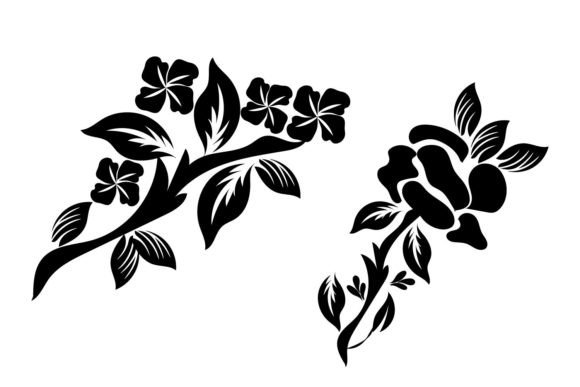
When I first pulled up the Floral Pattern Element. Decorative Rose file on my screen, I wasn't just looking at another clipart asset. As a brand designer who has spent years helping local businesses stand out on crowded shelves, I know that the difference between a generic look and a premium feel often comes down to the quality of the decorative elements you choose. This specific graphic, featuring a black silhouette isolated on a white background, immediately struck me as a versatile powerhouse for small business branding. It carries a mood that is simultaneously classic and modern, suggesting a brand personality that values elegance without being overly fussy.
I was working on a rebranding project for a boutique candle maker in my city last week. They needed something that felt handmade yet professional enough to compete with big-box retailers. The Decorative Rose offered exactly that balance. Its clean lines and strong contrast make it suitable for everything from rustic, organic skincare labels to high-end coffee shop packaging. Unlike many floral assets that feel cluttered or dated, this design feels timeless. It whispers sophistication while remaining accessible, making it an excellent choice for creative entrepreneurs looking to elevate their visual identity.
Elevating Product Packaging with Strategic Design Assets
The true test of any graphic design asset is how it performs when applied to real-world products. For the candle business, I imagined using the Floral Pattern Element. Decorative Rose as a central motif on the jar label. Because it is available as a transparent PNG and vector formats like SVG and EPS, I could scale it effortlessly without losing resolution. This is crucial for packaging design, where details can get lost if the file quality isn't there.
In a practical application, this rose silhouette works beautifully as a stamp-like element on kraft paper boxes or as a delicate accent on glossy product labels. For a bakery or a soap maker, placing this graphic in the corner of a hang tag or thank-you card adds a touch of polish that suggests care and attention to detail. It creates a stronger first impression, signaling to the customer that the brand inside is curated and thoughtful. When used consistently across marketing visuals, such as social media graphics and promotional flyers, it builds a clearer visual hierarchy and reinforces brand recognition.
I also considered how this asset would function in a product mockup. Whether I am presenting ideas to a client for a new line of artisanal jams or designing a seasonal campaign for a florist, having a high-quality PNG design allows for rapid iteration. I can drop the rose into various color palettes, overlay textures, or pair it with different typography styles to see what resonates best before committing to print. This flexibility is essential for small business branding, where budgets are tight, and every design decision must count.
Where the Decorative Rose Shines in Local Business Branding
There are specific scenarios where the Floral Pattern Element. Decorative Rose truly excels. First, it is perfect for product labels that need a focal point without overwhelming the text. For example, on a bottle of handcrafted perfume or a tin of loose-leaf tea, the black silhouette provides a striking contrast against light backgrounds. Second, it serves as an excellent hero graphic for website banners or Instagram posts, instantly communicating the aesthetic of the brand.
It also works wonders for seasonal packaging accents. Imagine a holiday collection for a chocolate shop; adding this rose element to the wrapping paper or gift tags creates a cohesive, festive look that feels bespoke. For handmade businesses selling on platforms like Etsy, these design assets help create a unified storefront appearance. When paired with script fonts or elegant serifs, the rose enhances the feminine, organic vibe that many crafters aim for. It supports the narrative of a brand that is both rooted in tradition and forward-thinking.
Furthermore, this asset is invaluable for editorial design within a brand's content strategy. It can frame recipes in a cookbook, decorate menu items for a bistro, or serve as a divider in a digital newsletter. By integrating the Decorative Rose into these varied contexts, a local business can maintain a consistent voice across all touchpoints, from physical products to digital interactions.
Cautions: When to Use Restraint with Floral Graphics
However, as a seasoned designer, I must advise caution in certain situations. While the Floral Pattern Element. Decorative Rose is versatile, it should not be used indiscriminately. In formal corporate branding or for brands aiming for a stark, ultra-minimalist luxury aesthetic, this decorative element might feel too ornate. If your brand relies heavily on negative space and bold, sans-serif typography, adding a detailed floral silhouette could disrupt the visual balance.
Additionally, be careful when applying this graphic to very small labels or areas with dense information. On a supplement bottle or a food package with a long list of ingredients, a large rose silhouette could compete with critical legal text, reducing readability. Always ensure there is sufficient contrast; placing a black silhouette on a dark background will render it invisible unless you invert the colors. It is also vital to check the commercial license before using any digital product for client work or physical sales. Never assume a free download grants unlimited rights for commercial use.
Practical Designer Notes for Implementation
Before finalizing any design, I always run a series of tests. First, I preview the SVG design in black and white to ensure the silhouette holds up in monochrome printing, which is common for receipts or simple invoices. I then test it alongside different font families—pairing it with a handwritten font for a personal touch or a display font for a bold statement. Checking the transparency of the PNG design is also non-negotiable; there should be no jagged edges or unwanted white halos around the petals.
For clients, I recommend comparing the Floral Pattern Element. Decorative Rose against competitor packaging to ensure uniqueness. Does it blend in too much, or does it help the product pop? Finally, always review the print quality by creating a high-resolution proof. A design that looks crisp on a monitor might appear muddy if the DPI is too low for large-format posters or billboards.
In conclusion, the Floral Pattern Element. Decorative Rose is more than just a pretty picture; it is a strategic tool for professional branding. When used thoughtfully, it can transform a simple product into a desirable object, fostering a deeper emotional connection with customers. Whether you are a marketer crafting social media campaigns or a local business owner designing your own labels, this asset offers the versatility and quality needed to succeed in today's competitive market.