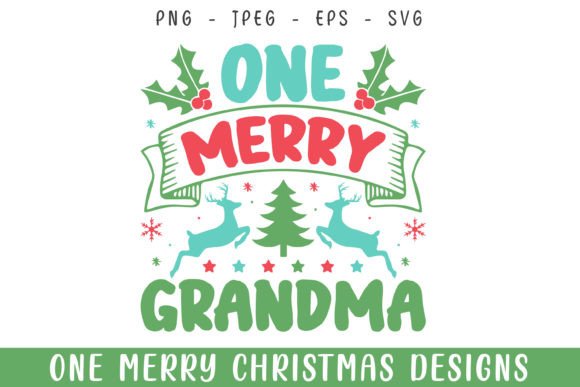
One Merry Grandma Christmas Decorative Review
As a designer who has spent years translating digital graphics into tangible stitched goods, I approach every new machine embroidery design with a mix of excitement and caution. The holiday season is the busiest time for my craft business, and finding assets that translate well from screen to fabric is critical. Today, I am evaluating the One Merry Grandma Christmas Decorative design to see if it holds up under the scrutiny of real-world production. This piece comes from a broader bundle labeled as One Merry Christmas SVG Designs, which also includes family and general merry variations. While the source file is technically a vector graphic intended for cutting machines or print, its clean lines suggest potential for conversion into a high-quality embroidery file.
First Impressions: Visual Weight and Holiday Mood
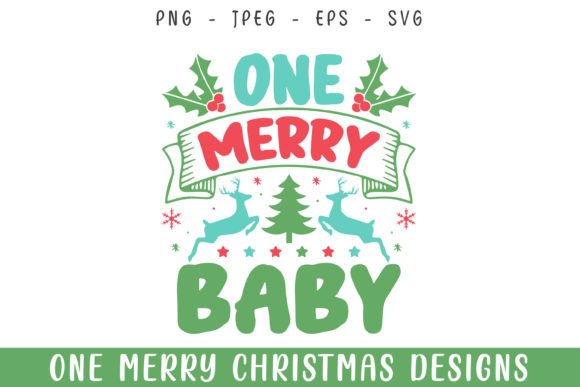
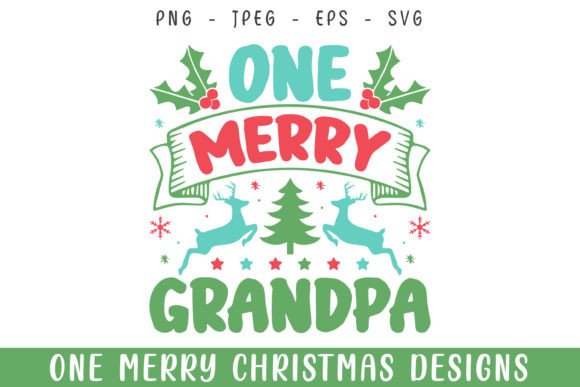
When I first opened the One Merry Grandma Christmas Decorative asset in my design software, the immediate impression was one of warmth and classic nostalgia. The typography appears bold and legible, avoiding the overly intricate swirls that often get lost in dense fill stitch areas. For a grandmother-themed project, the visual personality needs to strike a balance between festive cheer and timeless elegance. This design achieves that by using solid shapes and clear lettering.
The layout feels balanced, making it a strong candidate for custom apparel where the focal point needs to be instantly recognizable. In the world of Crafts, clarity is king. If a customer walks past an Etsy booth or scrolls through an online shop, they need to read "Merry Grandma" within a second. The Graphics nature of this file ensures that the edges are crisp, which is a prerequisite for a professional-looking finished product. However, because this starts as a vector, the actual stitch path generation will depend heavily on how you digitize it. You cannot simply import an SVG directly into most embroidery machines without converting it to a native format like PES, DST, or JEF.
Real-World Application: From Digital to Fabric
To truly test the value of One Merry Grandma Christmas Decorative, I imagined a specific scenario: preparing a batch of personalized sweatshirts for a local boutique's holiday collection. Sweatshirts are a staple for winter wear, but their fleece texture can sometimes swallow smaller details. In this context, the boldness of the text in this design is a major advantage. The thick strokes would likely hold up well against the fuzzy surface of a garment, ensuring the message remains readable even after several washes.
I also considered using this design for a set of embroidered tote bags. Tote bags are popular for gift-giving, and the sturdy canvas material provides a stable base for stitching. The description notes that colors can be easily changed for dark or light backgrounds. This flexibility is essential for a small shop product line. Imagine offering the same design on a cream-colored organic cotton bag and a navy blue denim tote. The ability to swap thread colors quickly allows for a cohesive brand look while catering to different customer preferences. For a Etsy seller, this versatility means fewer wasted materials and a more diverse inventory without needing entirely new designs.
Beyond apparel, I see potential for baby embroidery items, perhaps on a soft blanket or a onesie, provided the design is scaled appropriately. The sentiment of "Grandma" resonates deeply with new parents looking for sentimental gifts. However, when moving to delicate fabrics, the stitch density becomes a concern. A design that looks great on a heavy hoodie might pucker a thin baby bodysuit if not adjusted.
Navigating Challenges: Where Caution Is Required
While the One Merry Grandma Christmas Decorative design shows promise, there are specific situations where it requires careful handling. One major consideration is the hoop size. Vector files do not have inherent stitch counts, so the final size depends entirely on your scaling. If you attempt to fit this design into a very small hoop for a cap or a patch, the lettering may become too tight. Tiny lettering is notorious for becoming illegible once stitched due to thread thickness and slight shifts during sewing. Always ensure there is enough space for the needle to maneuver without crowding the stitches.
Another challenge lies in textured fabrics. While I mentioned fleece earlier, highly textured weaves like burlap or chunky knits can cause the needle to skip or the stabilizer to fail. For these surfaces, a cutaway stabilizer is non-negotiable. Additionally, if you plan to use this on stretchy fabrics like jersey knit, the tension settings must be precise to prevent the design from warping when the fabric stretches.
Dark fabrics present another variable. The product description mentions easy color changes, which is helpful, but stitching white or light thread on black fabric requires a different approach than on white. You may need a layer of underlay or a backing to prevent the dark fabric from showing through the gaps in the satin stitch or fill. Always test the contrast before committing to a full run.
Professional Execution and Business Value
For the creative entrepreneur, the true value of One Merry Grandma Christmas Decorative lies in its potential to elevate a handmade item into a premium personalized gift. Customers trust brands that deliver consistent quality. If the stitching is messy, the design pulls, or the colors clash, the perceived value drops immediately. By taking the time to properly digitize this vector into a robust digital embroidery file, you ensure that the handmade product looks professional.
Consider the impact on your commercial embroidery workflow. Using a design that scales well and offers color flexibility streamlines production. You can create printable mockups for your marketing materials that accurately represent the final result, building buyer engagement and trust. When clients see a crisp, well-executed preview, they are more likely to purchase.
However, a word of caution regarding licensing is necessary. Since this design is part of a bundle, you must verify the terms of use. Can you sell the finished embroidered patch? Can you sell the digital embroidery file itself? Many designers allow personal use only or restrict commercial sales of finished goods. Never assume; always check the license agreement before listing items in your shop. Selling unauthorized designs can damage your reputation and lead to legal issues.
Final Designer Notes for Success
If you decide to incorporate One Merry Grandma Christmas Decorative into your next project, follow these practical steps to ensure success:
- Test on Scrap Fabric: Before stitching onto your final product, run a test on a scrap piece of the same material. Check for puckering, skipped stitches, or misaligned layers.
- Verify Stitch Density: Ensure the fill isn't too dense, which can make the fabric stiff, or too sparse, which leaves holes. Adjust the digitization settings accordingly.
- Check Color Contrast: Use a running stitch or outline to define the edges if the background color is similar to the thread.
- Confirm Hoop Size: Measure the design dimensions against your machine's maximum hoop capacity to avoid clipping.
- Inspect Small Details: Zoom in on the corners and curves. These areas are prone to distortion during stitching and may need manual adjustment.
- Use Proper Stabilizer: Match the stabilizer type (tear-away, cut-away, or water-soluble) to the fabric weight and texture.
In conclusion, the One Merry Grandma Christmas Decorative design offers a solid foundation for holiday projects. Its clean vector structure makes it adaptable for various applications, from sweatshirt embroidery to kitchen towel accents. With careful digitization and attention to fabric choice, it can become a standout piece in your craft business portfolio. As with any design asset, the final quality rests in the hands of the maker. Take the time to prepare, test, and refine, and you will create a cherished holiday keepsake that customers will love.